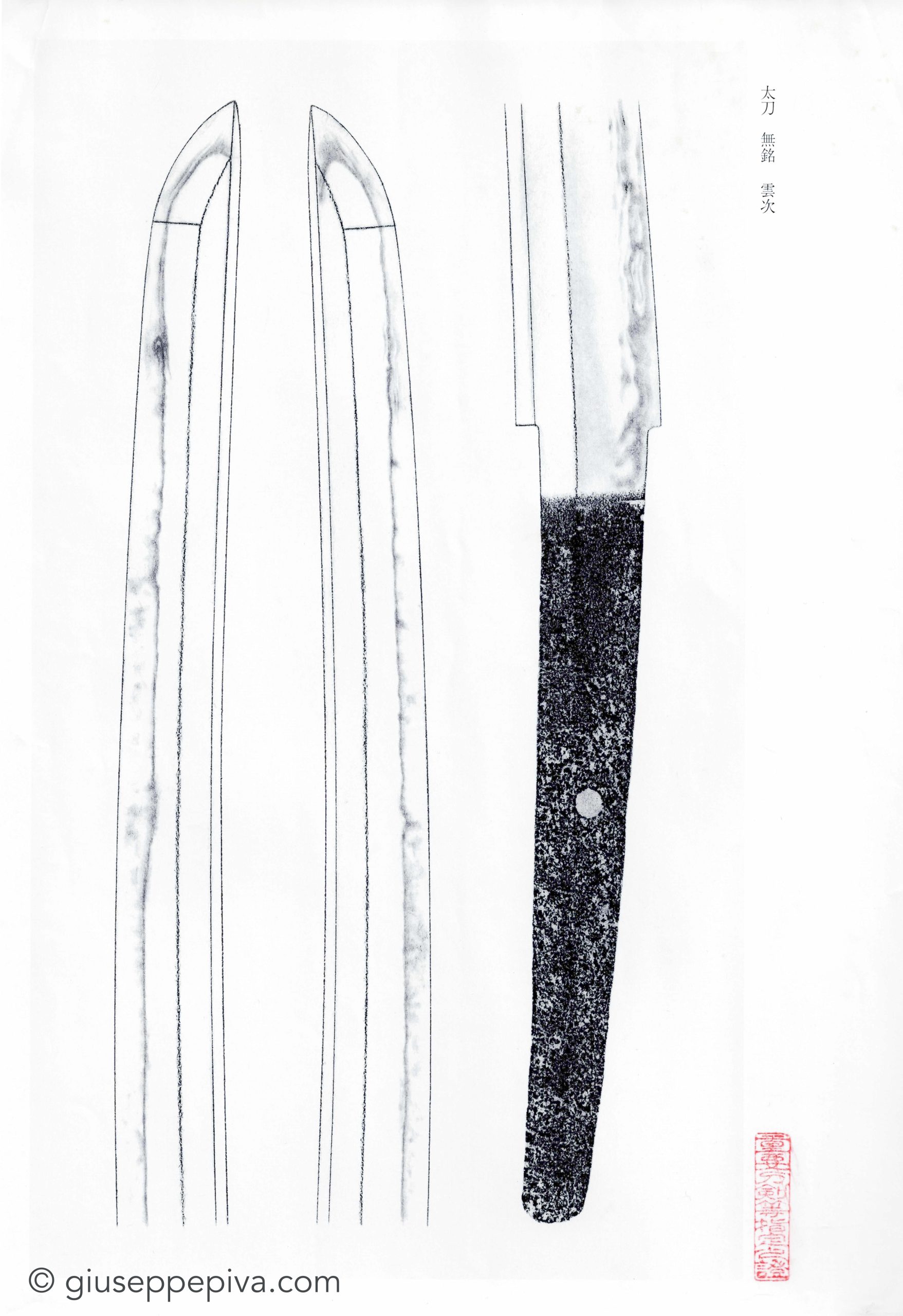
Mumei, Unji
Late Kamakura period, 1312–1334
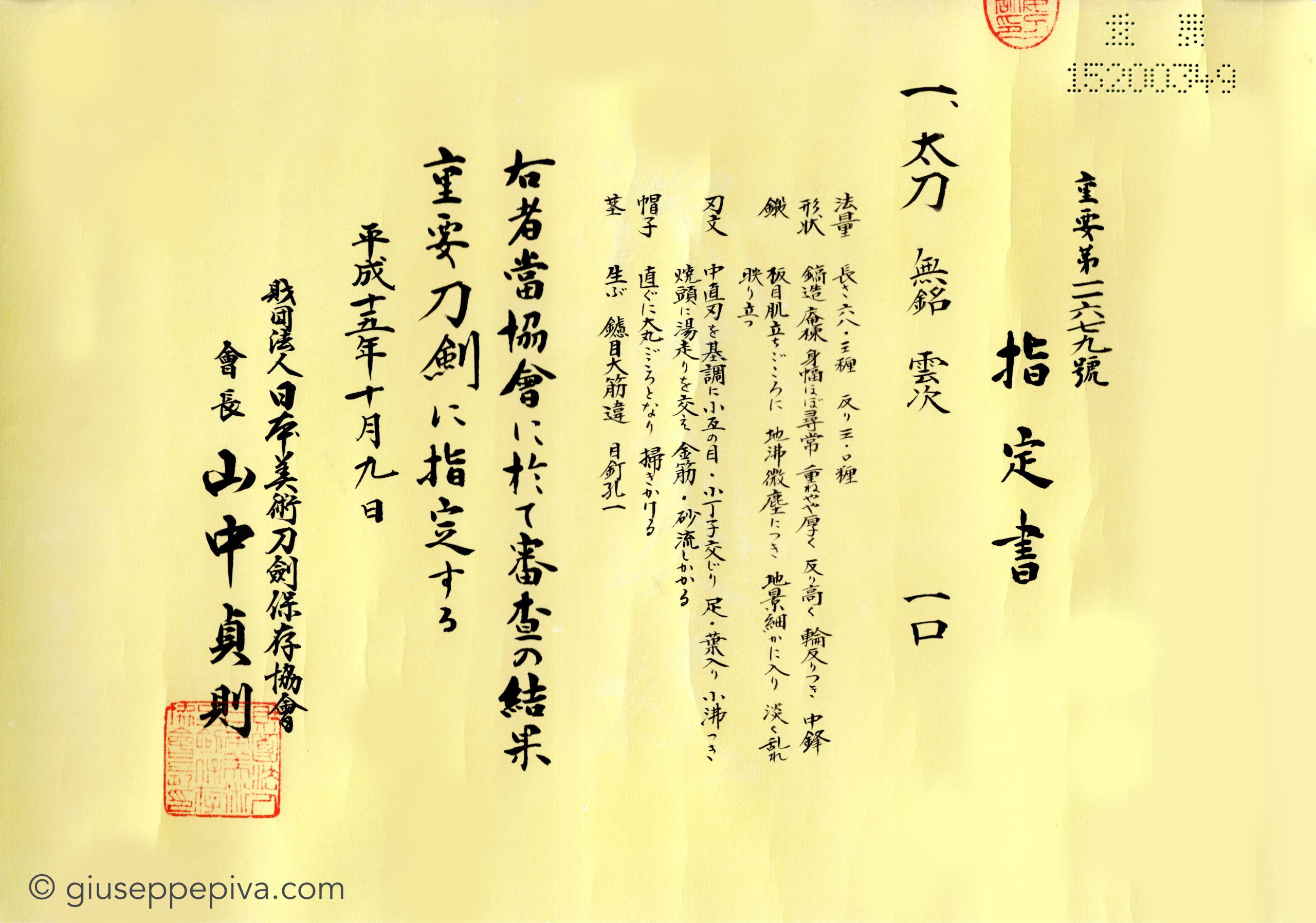
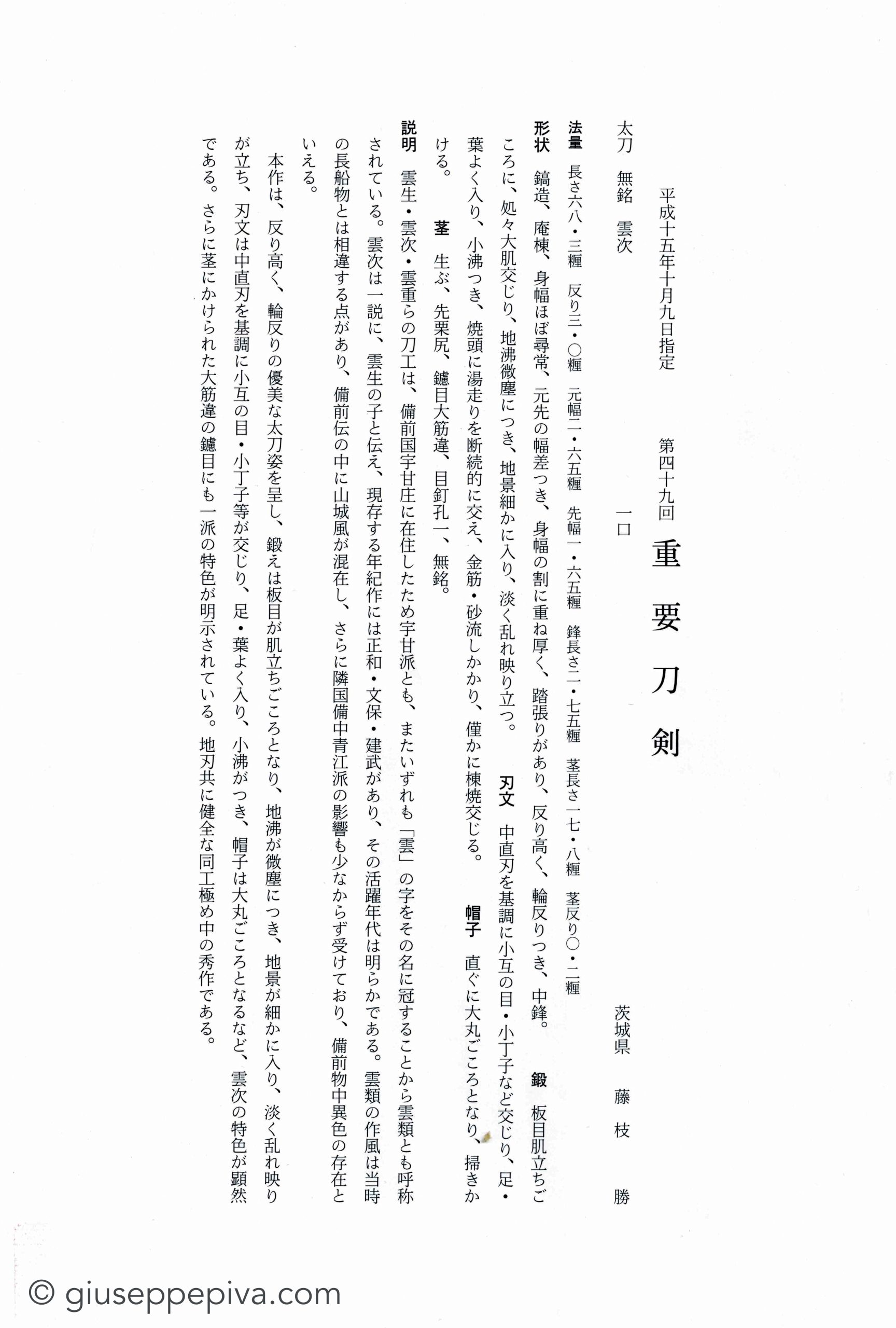
NBTHK Jūyō Tōken
Nagasa [length]: 68.3 cm
Sori [curvature]: 3.0 cm
Motohaba [bottom width]: 2.65 cm
Sakihaba [top width]: 1.65 cm
Kissaki-nagasa [point length]: 2.75 cm
Nakago-nagasa [tang length]: 17.8 cm
Nakago-sori [tang curvature]: 0.2 cm
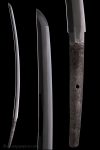
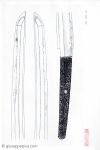
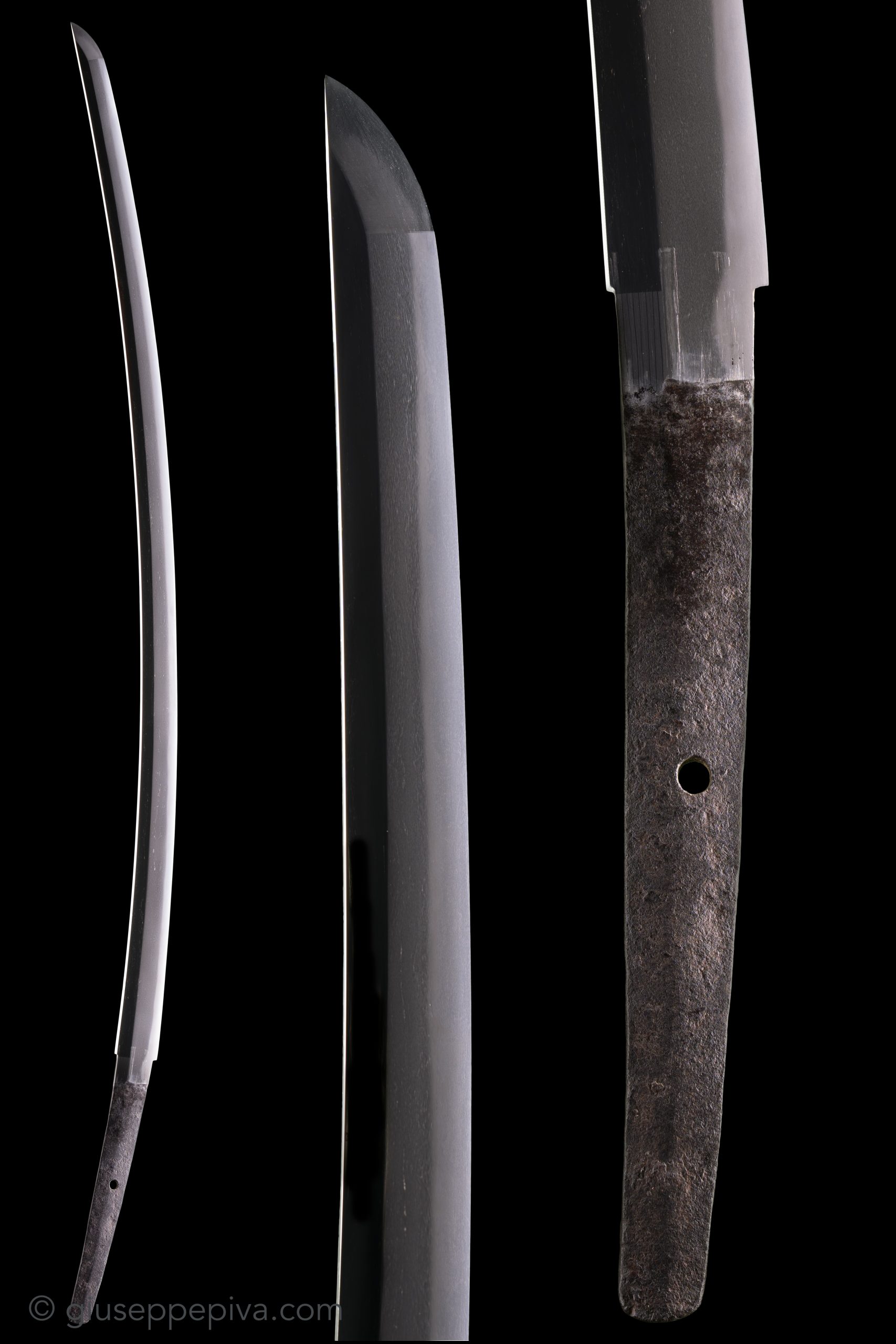
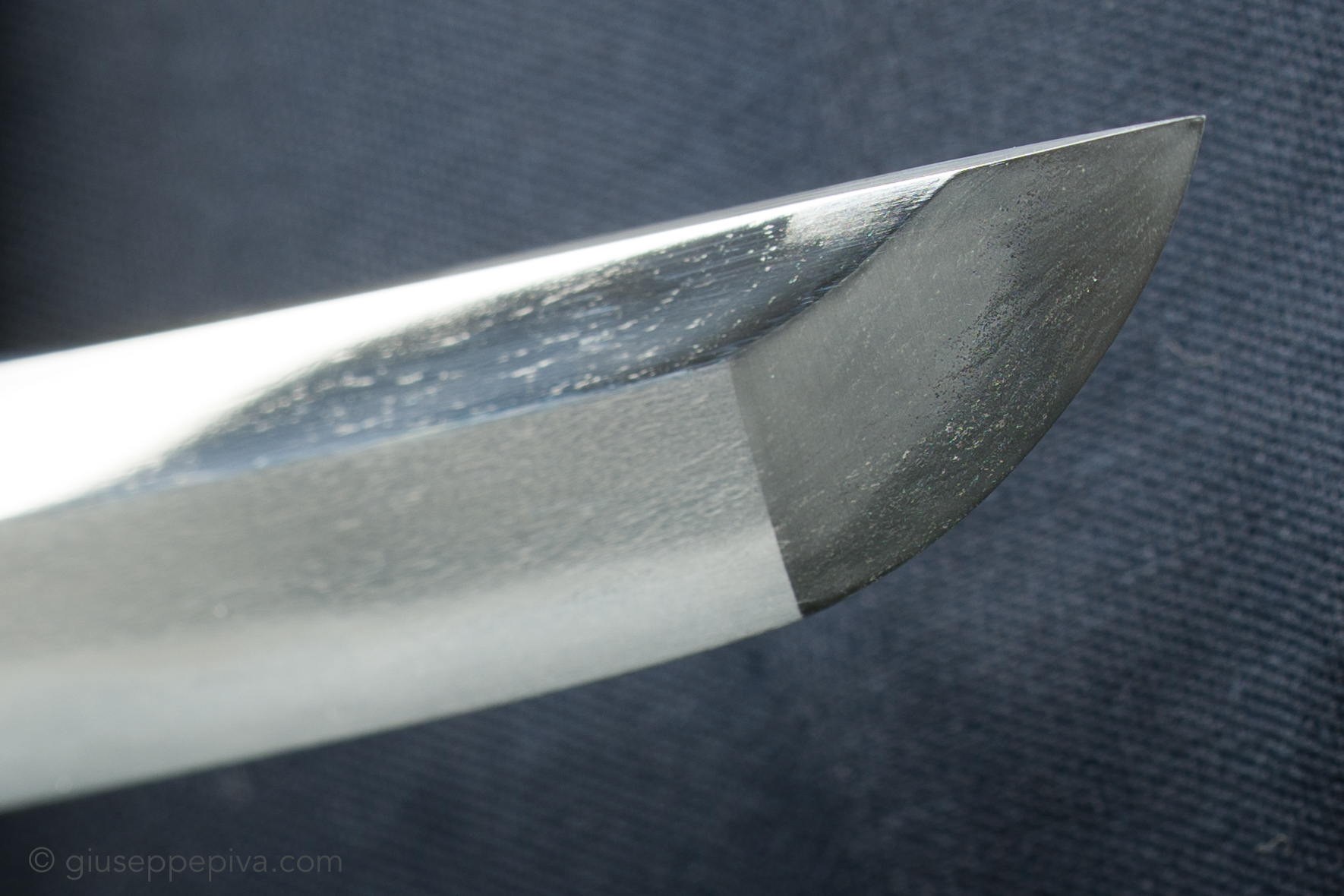
Sugata [configuration]: Shinogi-zukuri, iori-mune; standard mihaba with a noticeable taper, kasane rather thick in relation to the width, funbari, deep torii-zori, chū-kissaki.
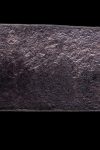
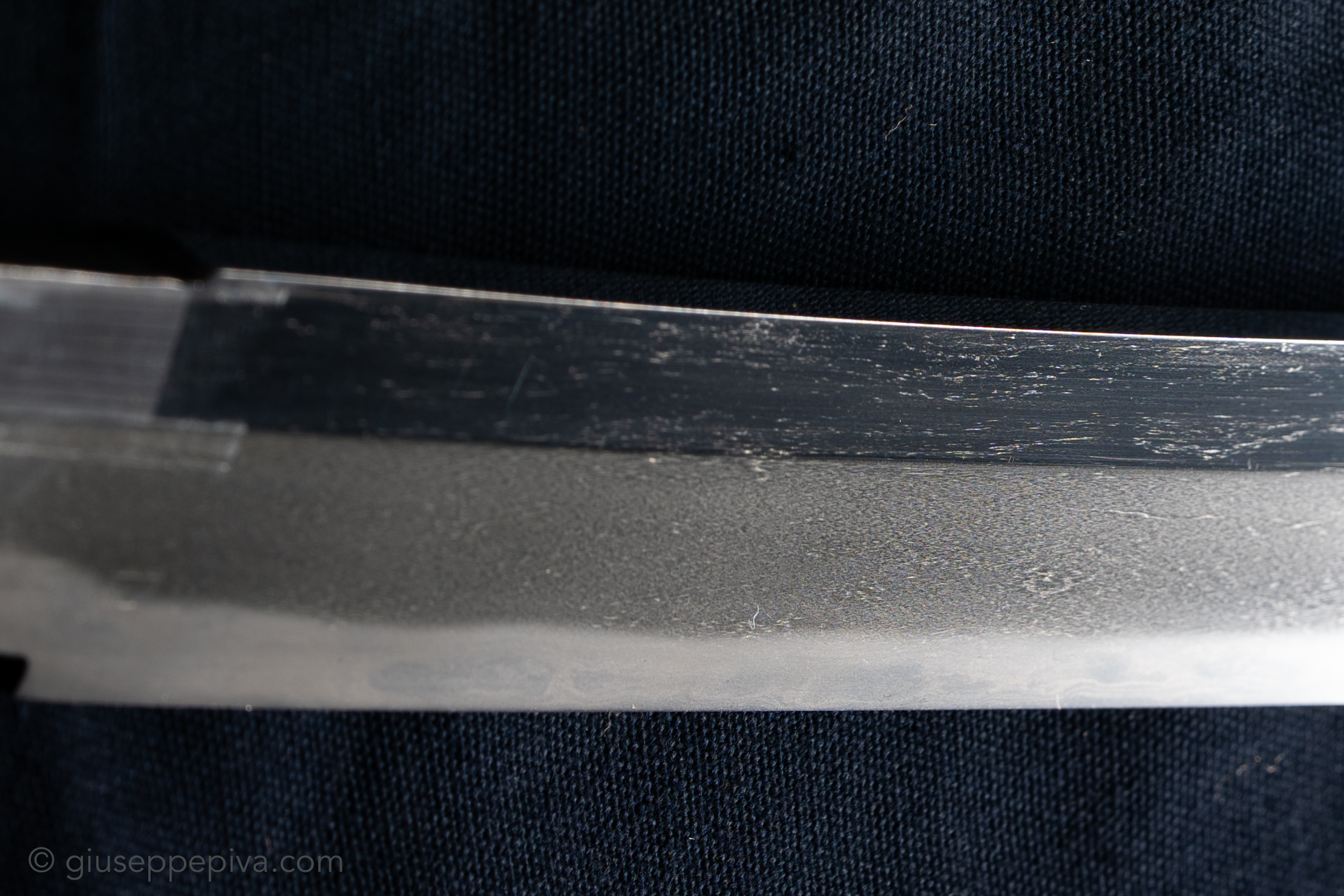
Kitae [forging pattern]: Rather prominent itame mixed with some ō-hada; ji-nie, fine chikei and a faint midare-utsuri.
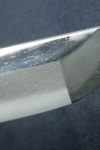
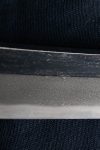
Hamon [tempering pattern]: Chū-suguha-chō in ko-nie-deki, mixed with ko-gunome and ko-chōji, many ashi and yō; interrupted yubashiri along the yakigashira, abundant kinsuji and sunagashi, some muneyaki.
Bōshi [point]: Sugu with ō-maru kaeri and hakikake.
Nakago [tang]: Ubu, kurijiri, ō-sujikai yasurime; one mekugi-ana, mumei.
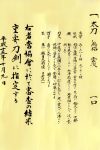
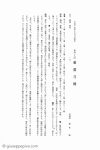
Origami [paper]: The blade comes with a Jūyō Tōken (Important Sword) certificate no. 11679, issued by the Nihon Bijutsu Tōken Hozon Kyōkai on 9 October 2003 (49th Jūyō shinsa).
The blade is preserved in shirasaya.
Exhibitions: Scarperia Museum (Italy), 2015.
Unji was one of the leading smiths of the Ukan school. With Unshō and Unjū he worked in the Ukan manor in Bizen province. All three names share the character un (雲, “cloud”), so the group is also known as the Un school. Tradition holds that Unji was the son of Unshō. His dated works from the Shōwa (1312–1317), Bunpō (1317–1319) and Kenmu (1334–1336) eras let us place his activity with unusual precision.
The Un smiths stand apart from the contemporary Osafune school. They blended the Bizen tradition with that of Yamashiro and were strongly influenced by the neighbouring Aoe school of Bitchū province. This gave the group a distinctive, almost unique position among the Bizen schools of the time.
This tachi has a deep torii-zori and a very elegant tachi-sugata, with marked funbari and an unshortened, original tang. The itame tends to stand out and shows ji-nie, fine chikei and a faint midare-utsuri. The hamon is based on chū-suguha in ko-nie-deki. It is enriched by ko-gunome, ko-chōji and many ashi and yō, and it is crossed by kinsuji and sunagashi. Together with the bōshi tending to ō-maru, these are all characteristic features of Unji’s work. The ō-sujikai yasurime on the tang are also typical of the school.
The jiba is kenzen (in perfect condition). In the judgement of the NBTHK, this is one of the finest works attributed to the smith.
(Inv. #2113)