Storie

Japanese samurai swords, known as "katana" or “nihonto”, are renowned for their craftsmanship, sharpness, and historical significance. An authentic katana possesses distinctive features that have remained consistent throughout Japan's rich history. Here are five essential elements of Japanese samurai swords that enthusiasts and collectors should...

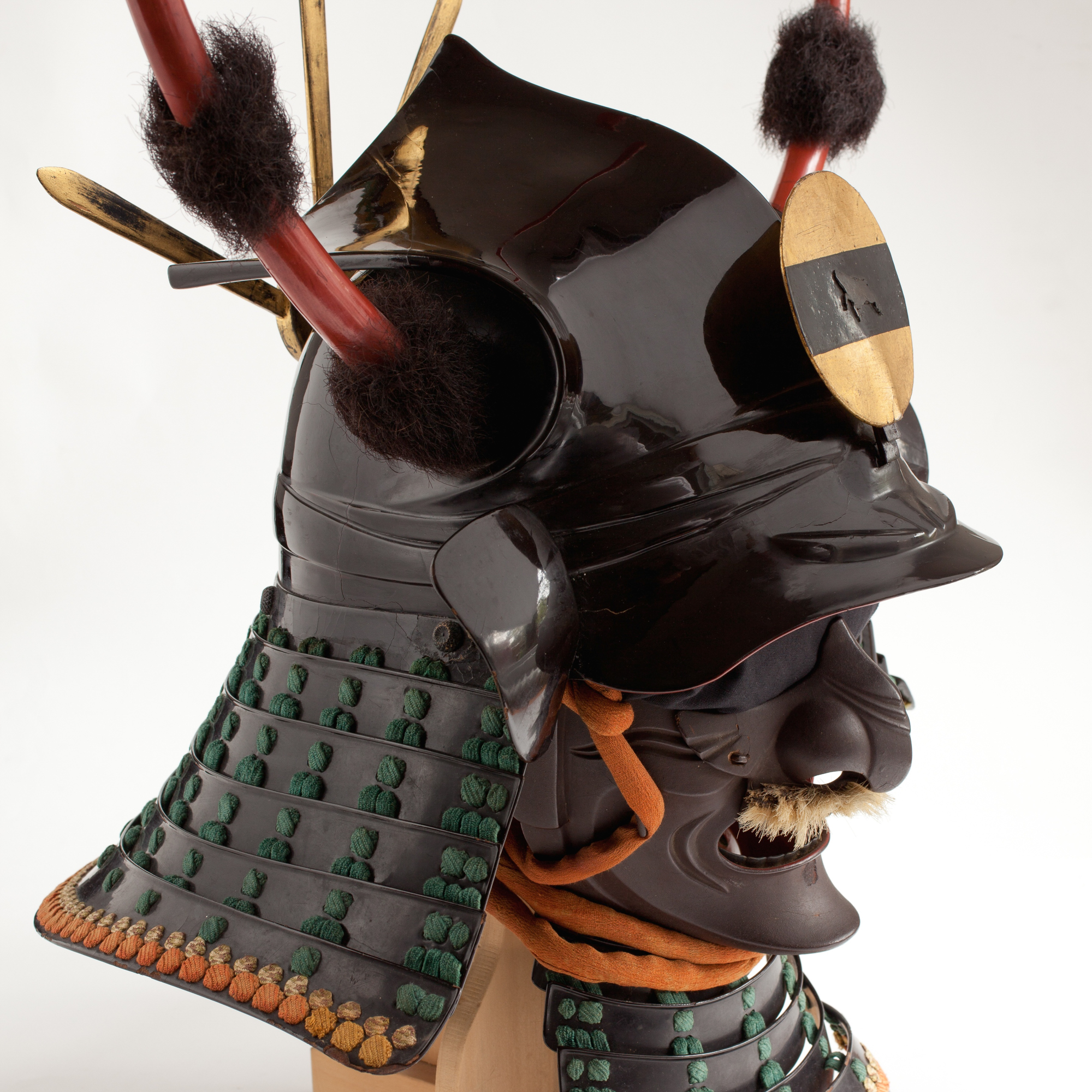
Japanese samurai armor has been an object of admiration and fascination for centuries. Among the many features that make them unique is one element that combines aesthetics and functionality in an extraordinary way.The Magic of Urushi LacquerUrushi lacquer is a natural resin extracted from the...

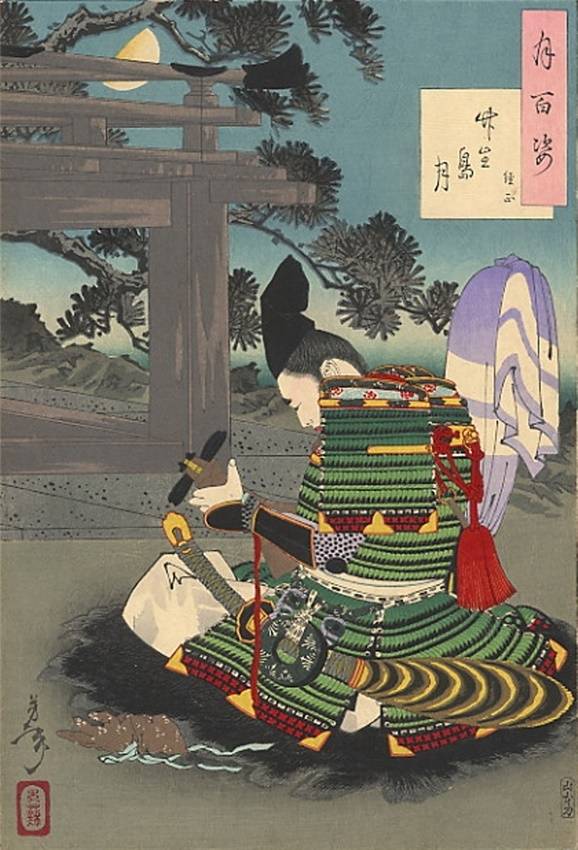
One of the most widespread myths about Japanese history is that Zen Buddhism was practiced by all samurai. While it is true that Zen had a big impact on samurai culture, the connection between the two was more nuanced than is typically depicted. When Zen Buddhism...

From the Nara period (710-784) to the Genpei War (1180-1185) there were some major innovations in Japanese military organization, one above all the massive introduction of cavalry. This renewal entailed several changes in the structure of armor, which until the 12th century had a plate...

 In addition to great strategic and military skill, most samurai had to be skilled in the civil arts. The warrior's ideal balance of military and artistic skills is well captured in this description of daimyō Hosokawa Yusai (1534-1610): Renowned for his elegance, he is a complete...

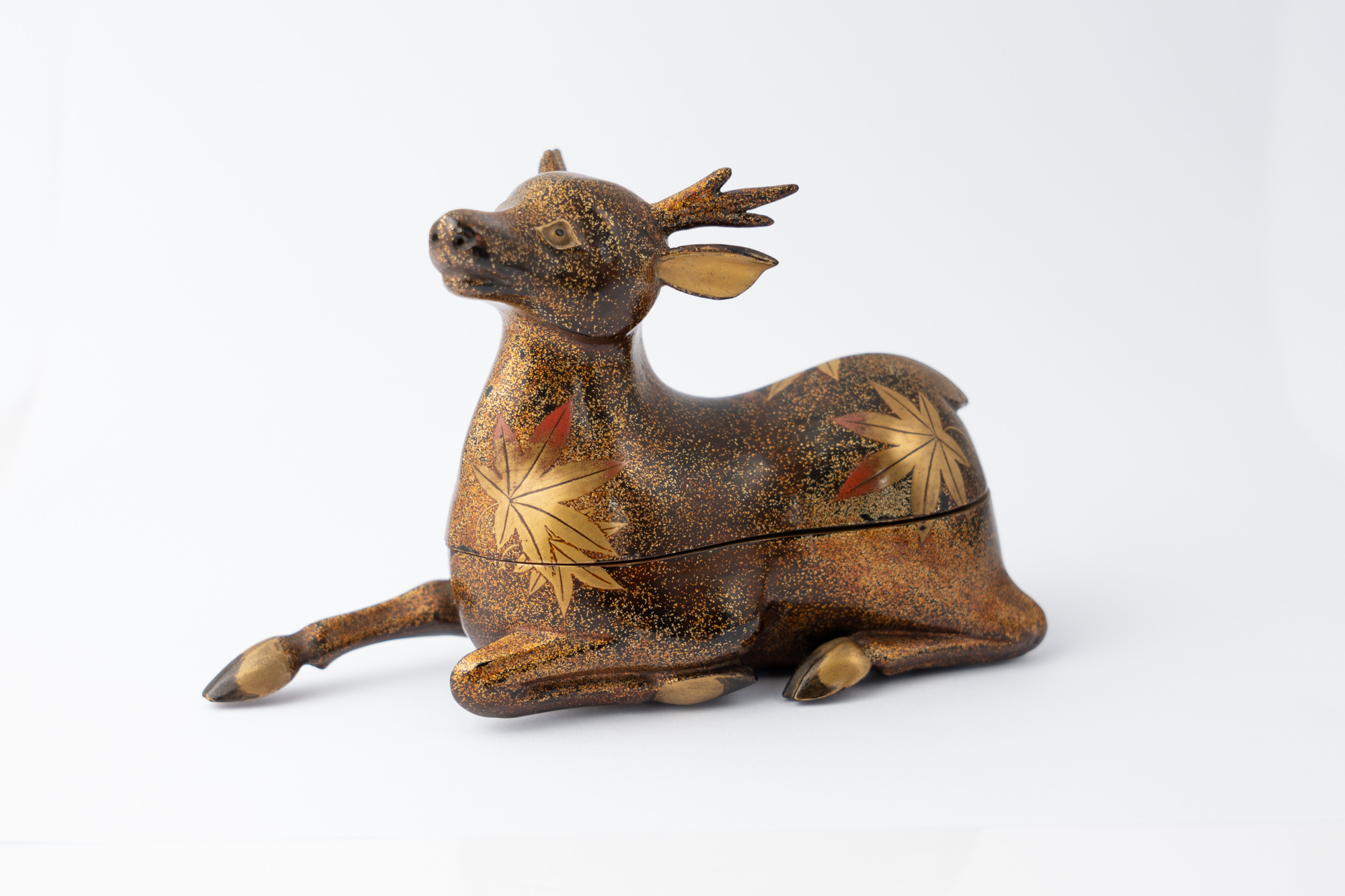
Since the Heian period, The theme of the deer and autumn plants has been employed in poetry and art to represent autumn.This subject has always fascinated me in a special way, either because of the elegance of this animal or because of the lyrical narrative...

What material was samurai armor made of?Samurai armor was mainly made of iron, but leather was also used alongside metal to make the armor lighter. The armor was crafted by skilled artisans and consisted of many small iron or leather plates held together by silk...

During the Sengoku jidai, a period that lasted from the Onin War in 1467 until the creation of the Tokugawa shogunate in 1600, many samurai clans struggled for autonomy or expansion at the expense of neighboring fiefs. Throughout these 150 years of Japanese civil wars,...

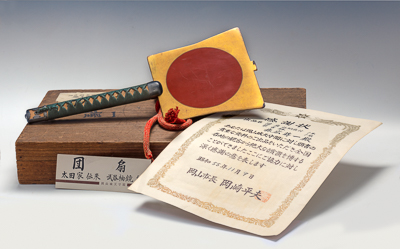
The various implements used by samurai commanders to signal orders on the batter field or to direct troop movements were referred to as jineigu. Among them, the gunbai uchiwa - or gunbai - was a type of fixed fan used by generals and daimyō to...

The term kanamono, which literally translates to "gold items," refers to all of the ornamental components that embellish samurai armor. The ō-yoroi ornamented with bamboo and tiger themes from the 12th century, which is preserved in the Kasuga Taisha temple in Nara, is the most...