News

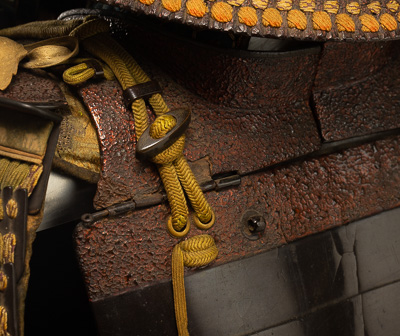
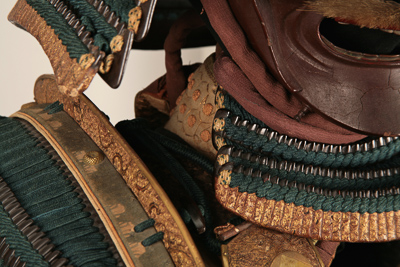
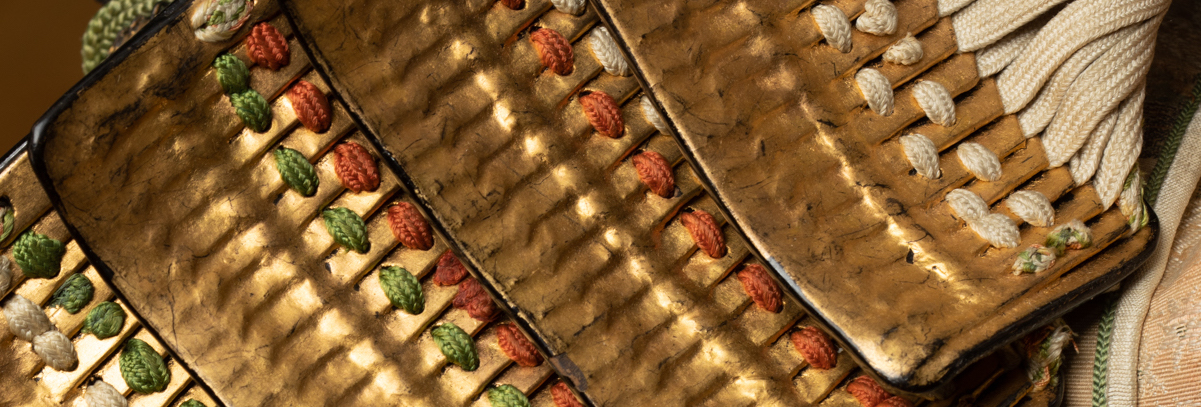
 One of the most typical features of samurai armor is the colored binding that holds the various parts together. Since ancient times, the ō-yoroi were formed by small scales tied tightly with fabric or leather ribbons so as to form a mesh protective and flexible...

 The dō, the cuirass of samurai armor, underwent many changes over the centuries, gradually adapting to innovations in the battlefield; some of the key ideas, however, persisted for centuries in the minds of Japanese armorers and already in the tanko, the first known model of...

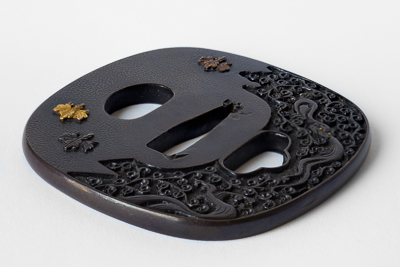
Contrary to popular assumptions, the tsuba is designed to protect the samurai’s hands by preventing them to from slipping down the hilt onto the blade and NOT to guard them from an enemy’s cut. Beside, a tsuba would play an important role on the whole...

The word samurai means "one who serves" and refers to military groups that developed around the 10th century in Japan to protect and expand their provincial domains. In 1185, after years of civil war, the warrior clan of Minamoto Yoritomo defeated its enemies, the Taira,...

The members of the Haruta School-the oldest school of samurai armor smiths-who moved to the Kii region in the early years of the Edo period did not confine themselves to odd jobs. They took the name of the village where they settled, Saika, near Wakayama,...

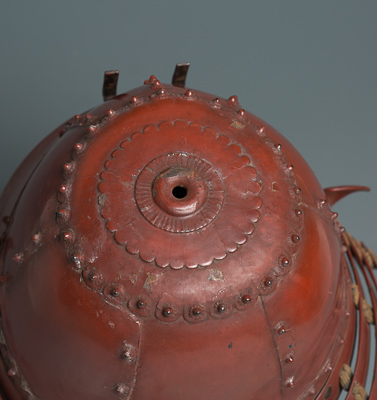
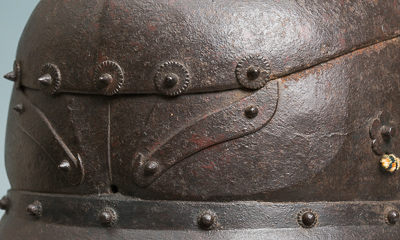
Developed in Nara in the early Muromachi period (1333-1573), the Haruta school was certainly one of the most important centres for the construction of armor in Japan. Armorers from this region specialised in the design of the kabuto, contributing to its affirmation as a key...

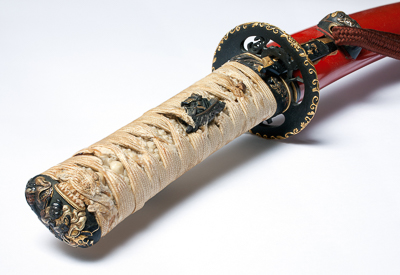
Those who approaches the world of the Japanese sword as a neophyte are immediately attracted by the charm of the "katana" as an object; an icon that he has seen in different situations. The braided handle, the glossy lacquered curved sheath, the superbly worked metal...

 The Japanese armor has undergone numerous transformations over the centuries. Despite this, there are constant distinctive characteristics, despite these mutations. One of the most interesting and stable features of samurai suit of armor over time is the intricate texture of elements which form most of...

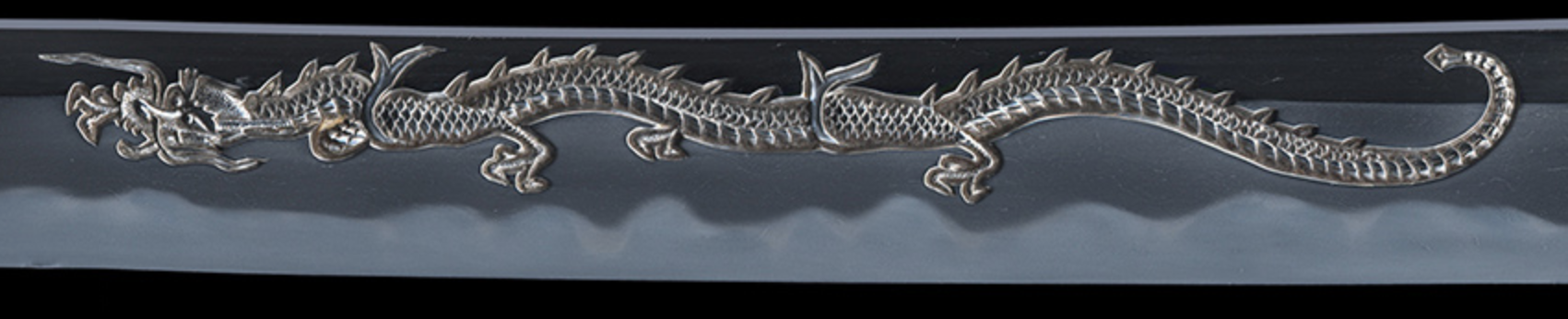
 The term horimono (literally "carved things") is used to indicate any work carved on the blade of a Japanese sword, regardless of whether it is a katana, a wakizashi or a tanto. The purposes of a horimono are essentially four:  Lighten the sword Add a votive frieze Decorate the...

 In our website, you might find some terms left in Japanese. Find here their meaning. Abumi: Stirrups.Abumi zuri no kawa: Leather patch on the inside of tosei suneate to prevent chafing of the stirrup leathers.Agemaki: Bow of silk cord hung from rings on amour.Agemaki no kan:...